Tesla's Robotaxi Plan: Musk's 2022 Vision vs What Launched
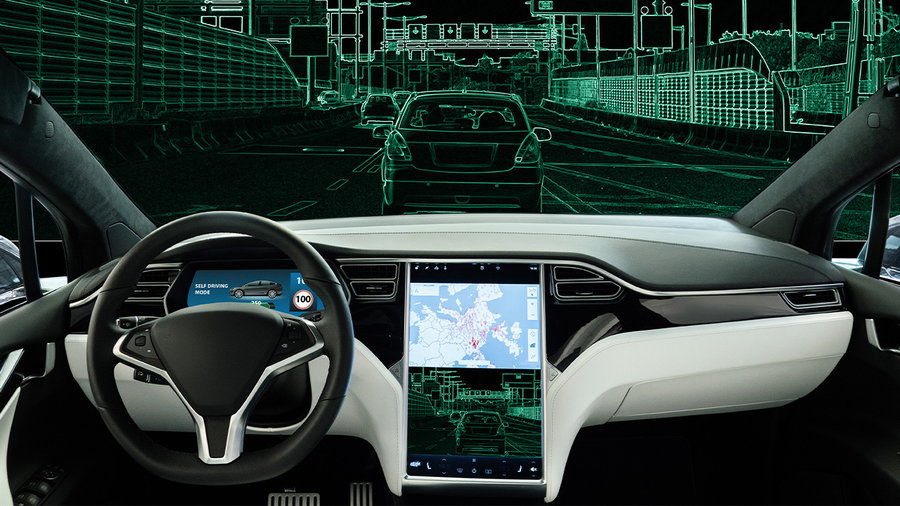
August 12, 2022At Tesla's annual shareholder meeting in August 2022, Elon Musk described how a Tesla robotaxi service could work once the company's Full Self-Driving (FSD) software no longer needed a human driver. Owners would be able to use their cars themselves or add them to a robotaxi fleet and earn money when they did not need them. Musk said the result would "end up being some kind of combination of like Airbnb and Uber".
Our original headline claimed that Uber and Airbnb had launched a joint project with Tesla. Neither company was involved: Musk only used the two brands to describe a model in which people rent out an asset they already own.
Noting that most cars sit parked most of the time, he estimated that a car in the network would go from about 12 hours of use a week to about 60. He acknowledged that regulations would limit where the service could run, but said he was confident FSD would eventually live up to its name.
An old idea with missed deadlines
The idea was not new in 2022. In his 2016 "Master Plan, Part Deux", Musk wrote that owners would one day be able to add their cars to a shared Tesla fleet from the app and let them earn money while the owner was at work or on vacation. At Tesla's Autonomy Day in April 2019, he predicted one million robotaxis on the road by 2020. Neither timeline held.
What actually launched
- October 2024: Tesla unveiled the Cybercab, a two-seater with no steering wheel or pedals, at its We, Robot event.
- June 2025: a small, invite-only Robotaxi service started in Austin, Texas, using Model Y cars with a Tesla safety monitor in the front passenger seat. A service in the San Francisco Bay Area followed, with safety drivers behind the wheel.
- 2026: Tesla began removing safety monitors from some Austin cars in January, launched rides with no safety supervisor in the car in Dallas and Houston in April and in Miami, Orlando and Tampa in July, and started paid Cybercab rides in Austin in September. The Bay Area service still uses safety drivers.
The fleet runs on cars Tesla controls. As of autumn 2026, the network of privately owned cars that Musk described in 2022 has not launched, although on the July 2025 earnings call he said owners would be able to add their cars "confidently next year".
Competitors and regulators
Tesla is far from the market leader. Alphabet's Waymo was providing about 500,000 paid rides a week in 2026 in ten US metro areas. Since 2025, riders in Austin and Atlanta can be matched with a Waymo car through the Uber app, extending a ride-hailing partnership that began in Phoenix in 2023. Amazon's Zoox builds a purpose-made robotaxi without a steering wheel, and Baidu's Apollo Go runs driverless services in China. Waymo and Zoox use lidar and radar, while Tesla relies on cameras only.
Regulators are watching closely. The National Highway Traffic Safety Administration (NHTSA) contacted Tesla the day after the Austin launch about videos showing driving errors. On September 3, 2026, it opened an audit query into how Tesla self-certified that the Cybercab, which has no manual controls, meets federal safety standards written for cars with human drivers. Waymo has faced federal investigations too, including over its cars illegally passing stopped school buses.
What it means for businesses and developers
- The software around the car. A robotaxi service needs dispatch, routing, pricing, remote assistance, fleet monitoring and rider apps. The Waymo and Uber deal shows that autonomy companies can plug into existing ride-hailing platforms, with Uber handling cleaning, repairs and depot operations in Austin and Atlanta.
- Owner-supplied fleets are harder. Privately owned cars have to be inspected, cleaned, charged and withdrawn at short notice, and owners expect predictable payouts. An operator-owned fleet avoids most of this.
- Liability and insurance. When no one is driving, responsibility shifts toward the operator and the manufacturer. An owner-supplied model would also need insurance that covers a private car working as a commercial vehicle with no driver.